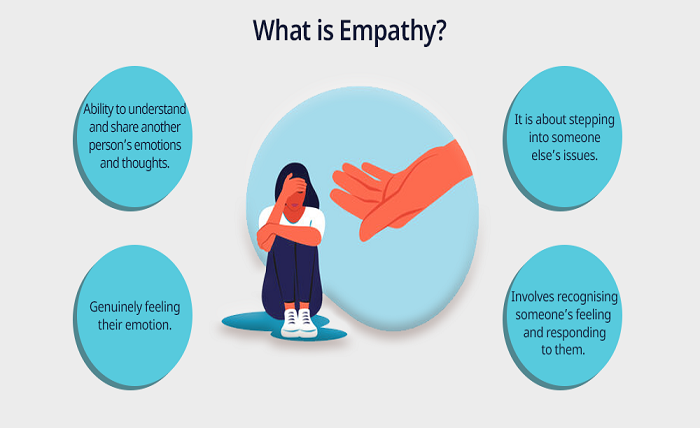
It wasn’t long ago that people turned to media mostly for distraction or escape. A movie, a show, or even a game offered a break from daily life. Now, more often, media does something different. It invites us into someone else’s world and asks us to care. Not because we’re supposed to, but because the stories feel true enough that we want to. That shift—where entertainment becomes a form of emotional education—is changing both how media is made and how audiences experience it.
It’s not just that content has become more emotional. It’s that creators are asking audiences to do something with that emotion. Watch a documentary about displacement and you may feel called to act. Play a game where the main choice is whether to help or harm someone, and you’re forced to weigh your own values. If you’re someone who notices how stories can shape ideas or prompt action, you might want to explore new platforms that mix engagement with choice — click here to see one that brings unfamiliar forms of emotional decision-making into the experience.
What’s Behind Media’s Focus on Empathy?
The shift didn’t happen overnight. It grew from a few cultural changes happening at the same time. One is the move toward more personal content. Viewers today want stories that feel real, not just entertaining. They’re drawn to characters who are complicated, stories that raise questions, and voices that don’t always get mainstream attention.
The second is access. Streaming, social media, and online platforms make it possible to watch, share, and discuss a piece of content in less time than it takes to cook dinner. That quick sharing amplifies emotion, spreads perspectives, and creates real-time reactions far beyond small groups.
Finally, younger generations think differently about storytelling. They expect media to reflect real struggles, even in fictional worlds. They ask for representation—not as a checkbox, but as a way to show lived experiences that many people never see. That expectation doesn’t just change what is made; it changes how it’s received.
How Media Builds Emotional Intelligence
Not all content has to be heavy or issue-driven to build empathy. Sometimes it just needs to make us sit with another person’s experience. A show may follow an elderly man learning how to send a message to his estranged daughter. A game might teach patience by pairing players with unpredictable characters. These aren’t lessons in a classroom, but they still shape how we react to others in real life.
One important idea here is “perspective-taking.” When people watch a story unfold from someone else’s point of view, they start to imagine what that person might be thinking or feeling. Over time, doing that across different stories—and with different lives—can shift how someone thinks about strangers in the real world.
What’s interesting is that even fictional stories can do this. You don’t have to meet a real refugee, for instance, to understand something about displacement. Seeing a character face loss, fear, or hope in a thoughtfully created work can spark the same emotional processing.
The Double-Edged Nature of Emotional Media
Of course, not all emotional content does good. The same tools that encourage empathy can also manipulate it. There’s a tendency, especially online, to manufacture emotional moments for clicks rather than connection. A streaming algorithm might push dramatic footage not because it’s helpful, but because it keeps people watching. Over time, audiences may feel something called “empathy fatigue”—a kind of numbness that comes from seeing too many emotional pleas without room to process.
Even genuine stories can have unintended effects. A documentary that focuses only on suffering might reduce a person to their pain, rather than showing their full life. That kind of storytelling risks reinforcing stereotypes, even while trying to dismantle them.
In that sense, media that teaches us to care must be careful. True empathy doesn’t just feel bad for someone—it respects them, understands them, and sees their agency. That’s harder to convey, but worth trying.
What Audiences Can Do
Being an empathetic viewer isn’t passive. It takes a bit of choice from the audience. Someone can watch a story and move on, or they can ask questions: Why did I react that way? What is this story trying to say? Who made it, and for whom? Critical viewing doesn’t reduce empathy—it protects it.
It also helps to balance input. Not every story has to teach a lesson. Some should make us laugh, think, or rest. The goal isn’t to become emotionally available all the time; it’s to stay conscious of when media is inviting us to care for more than just entertainment.
The Bigger Picture: Media as a Social Mirror
At the end of the day, media doesn’t just shape empathy—it reflects where society is already heading. The more stories we see about dignity and connection, the more we may start to expect those things in daily life. It’s not a guaranteed outcome, but it does show how culture and entertainment are connected.
Maybe that’s the point. Empathy isn’t a lesson with a grade. It’s a habit that grows slowly: one story, one character, one choice at a time. And if entertainment can help make that growth possible, then maybe it’s doing more than distracting us—it’s preparing us to respond to the world we actually live in.